Understanding the Impact of Grease on Vehicle Performance
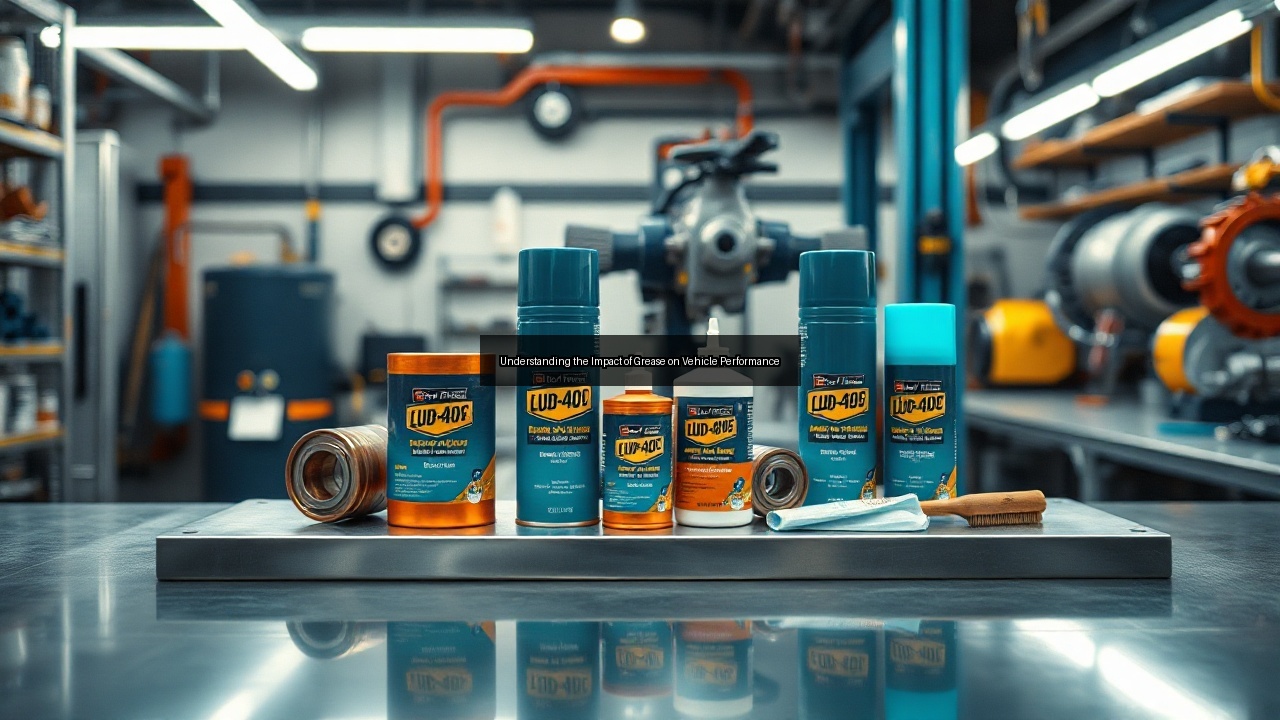
The Role of Lubricant Grease in Vehicle Performance
Understanding Lubrication Fundamentals
Lubricant grease plays a crucial role in vehicle performance by serving as a barrier between moving parts. This barrier allows for smooth interaction, reducing wear and tear caused by friction. A well-lubricated system minimizes the risk of overheating and premature component failure. Grease consists of a base oil and a thickener, which give it the ability to stay in place even under extreme conditions. This feature makes lubricant grease ideal for diverse applications, from wheel bearings and hinges to heavy machinery. Understanding lubrication fundamentals is essential for anyone seeking to maximize vehicle longevity and efficiency.
The Importance of Friction Reduction
Friction generates heat, leading to wear and decreased efficiency in vehicle parts. By reducing friction, lubricant grease enhances the overall performance of vehicles. Grease acts as a protective layer, preventing metal-to-metal contact and minimizing the protection for bearings under extreme pressure risk of scratches and surface damage. This friction reduction not only improves the functionality of components but also contributes to fuel efficiency. Less energy expenditure means better mileage, which can significantly lower operational costs for both personal and fleet vehicles. Therefore, selecting the right grease lubricant becomes imperative for anyone concerned about performance and maintenance.
How Grease Enhances Component Longevity
The longevity of vehicle components largely depends on the quality and application of lubricant grease. High-quality greases contain additives that prevent rust and corrosion, which is particularly vital in environments exposed to moisture and extreme temperatures. For example, lithium grease provides excellent adhesion and resistance to washing out, making it suitable for various applications, including agricultural and marine settings. Proper lubrication extends service intervals and reduces the frequency of maintenance checks. In turn, this leads to lower repair costs and enhances the reliability of vehicles, making grease an essential aspect of vehicle care.
Types of Lubricant Greases and Their Applications
Lithium Grease: Versatility and Performance
Lithium grease stands out for its versatility and performance across multiple applications. It serves as an all-purpose lubricant, suitable for wheel bearings, gears, and even automotive chassis. Its excellent water resistance makes it ideal for outdoor conditions where moisture could compromise other types of greases. Lithium-based greases are often formulated with additives to enhance performance under high loads or temperatures. The adaptability of lithium grease allows it to perform exceptionally well in both light-duty and heavy-duty machinery, making it a go-to choice for fleet managers and DIY enthusiasts alike.
Silicone Grease: Benefits in High-Temperature Conditions
Silicone grease offers unique benefits that make it the ideal choice for high-temperature applications. Unlike traditional greases, silicone lubricants remain stable in extreme heat, providing reliable performance in demanding conditions. They create a protective layer that prevents friction and wear on components like plastic gears and o-rings, which are often found in machinery and automotive systems. Additionally, silicone grease acts as a sealant, protecting metal parts from rust and corrosion. Its unique properties make it suitable for applications where conventional greases may fail, such as in high-moisture or high-pressure environments.
Specialized Greases for Marine and Agricultural Use
Marine and agricultural applications require specialized greases formulated to tackle unique challenges. Marine lubricant greases often contain additives that resist saltwater corrosion, ensuring durability in harsh aquatic environments. These greases provide reliable protection for bearings and other components exposed to moisture, reducing wear and extending service life. In agriculture, greases designed for high-load applications can withstand the rigors of farming equipment, ensuring smooth operation in tough conditions. Choosing the right specialized grease not only enhances performance but also contributes to the longevity of equipment, minimizing downtime and repair costs.
Choosing the Right Grease for Optimal Performance
Factors to Consider: Temperature and Moisture Resistance
When selecting a lubricant grease, temperature and moisture resistance are critical factors. Different applications demand varying levels of heat tolerance; for example, high-performance vehicles may require greases that maintain consistency at elevated temperatures. Moisture resistance also plays a significant role, particularly in environments prone to exposure to rain or humidity. Greases with excellent moisture repellency, such as lithium and silicone greases, can provide better protection against rust and corrosion. Evaluating these factors ensures that the chosen grease lubricant meets the operational demands of the specific vehicle or machinery, optimizing performance and reliability.
Grease Selection for Bearings and High-Load Applications
Bearings and high-load applications demand specific grease formulations designed to reduce wear and improve efficiency. High-performance greases contain advanced thickeners and additives tailored for severe operating conditions, providing reliable protection even under extreme pressure. For instance, some greases are formulated to offer reliable lubrication for open gears and chassis, enhancing performance in demanding environments. Selecting the correct grease for bearings not only improves uptime but also extends the life of crucial components. Regularly checking and maintaining lubrication in these areas can prevent costly repairs and ensure smooth operation.
High-Performance Options for Fleet and Industrial Use
Fleets and industrial operations benefit significantly from high-performance lubricant greases. These greases are specifically designed to withstand the rigors of daily use in demanding environments, delivering reliable protection and performance. Industrial greases often come with formulations that extend service intervals and reduce wear, leading to improved uptime and efficiency. For instance, products like b'laster and wd-40 offer advanced solutions for machinery and tools that require consistent lubrication. Investing in high-performance grease not only enhances the longevity of equipment but also minimizes maintenance costs, making it a wise choice for operators protection for bearings under extreme pressure looking to optimize their operations.
Maintenance Practices for Grease-Lubricated Systems
Importance of Regular Lubrication Intervals
Regular lubrication intervals are essential for maintaining the efficiency of grease-lubricated systems. Over time, grease can degrade and lose its effectiveness, making timely application crucial. Establishing a routine maintenance schedule helps ensure that components receive adequate lubrication, reducing friction and wear. Depending on the application, some systems may require lubrication every few hundred hours of operation, while others may necessitate more frequent checks. Using a grease gun or aerosol spray can simplify the process, allowing for precise application and reducing the risk of over-lubrication, which can lead to its own set of issues.
Identifying Signs of Grease Degradation
Recognizing signs of grease degradation is vital for maintaining vehicle performance. Changes in color, consistency, or odor can indicate that the grease is no longer effective. For instance, if the grease appears dark or gritty, it may have absorbed contaminants that compromise its performance. Additionally, if you notice increased noise or vibration in machinery, it may signal inadequate lubrication due to degraded grease. Regular inspection of grease conditions allows operators to take corrective measures, ensuring that components remain well-lubricated and functional, ultimately extending their service life.
Techniques for Effective Grease Application
Effective grease application techniques can significantly impact the performance of lubrication systems. Using the right tools, such as a grease gun or a precision brush, ensures that grease reaches the intended areas without excess spillage. For bearings, injecting grease until it oozes out of the seal indicates adequate lubrication. Avoid over-lubricating, as this can lead to grease leakage and contamination. Furthermore, follow manufacturer recommendations for the type and amount of grease to use. Employing proper techniques not only enhances the efficiency of lubrication but also helps maintain cleaner operating conditions, extending the life of components.