Routine Maintenance Strategies to Reduce Downtime in Industrial Gearboxes
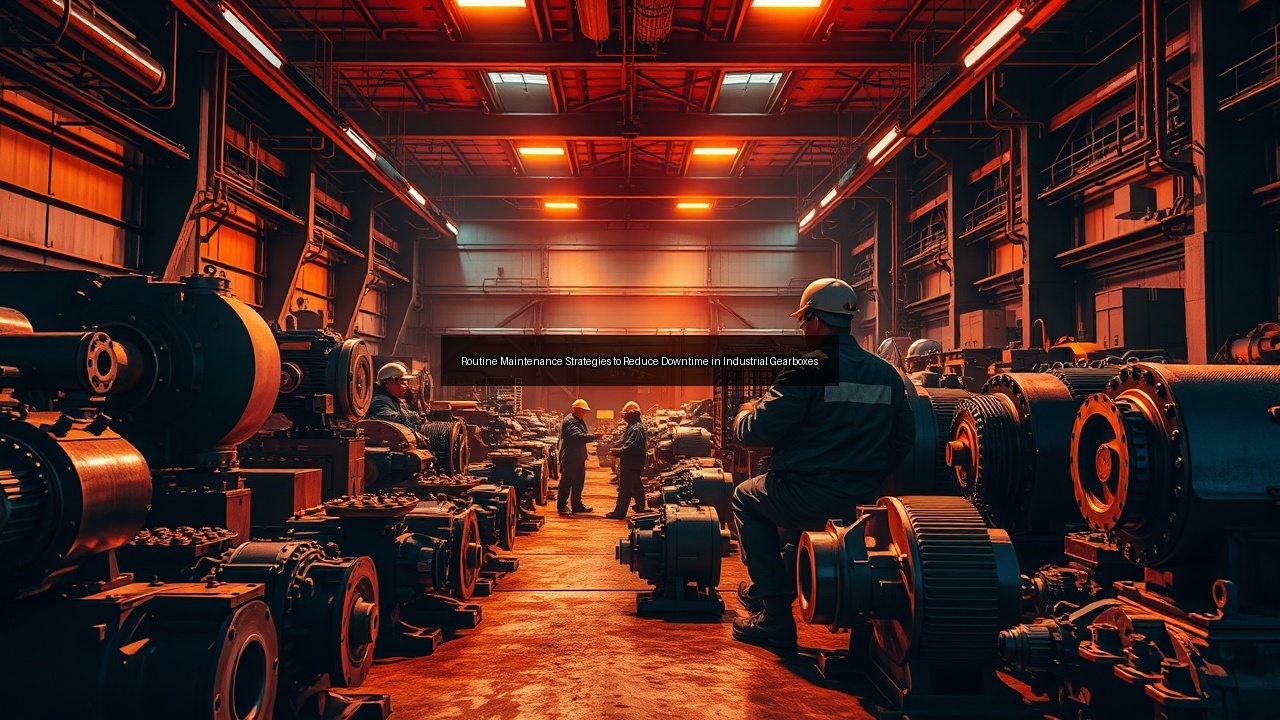
Understanding Industrial Gearbox Maintenance
Importance of Routine Maintenance
Routine maintenance plays a pivotal role in ensuring the efficiency and longevity of industrial gearboxes. Regular maintenance not only prevents unexpected failures but also enhances performance, thereby reducing downtime. Industrial gearboxes serve as the backbone of power transmission systems, converting input speeds to desired output speeds while handling torque loads. Neglecting maintenance can lead to catastrophic failures, resulting in costly repairs and production halts. Establishing a disciplined maintenance schedule helps engineers identify early signs of wear and tear, allowing timely interventions. Ultimately, proactive maintenance strategies contribute to overall operational efficiency and cost-effectiveness.
Common Types of Industrial Gearboxes
Engineers utilize various types of gearboxes depending on the specific application requirements. Common industrial gearboxes include worm gears, bevel gears, and reducers, each designed to perform distinct functions. Worm gear systems offer high torque multiplication and compact designs, making them ideal for applications requiring significant speed reduction. On the other hand, reducers provide efficient power transmission and are commonly employed in heavy machinery. Understanding the different types of gearboxes allows teams to select the most appropriate option for their industrial needs, maximizing performance and efficiency while minimizing the risk of failures.
Impact of Environment on Gearbox Performance
The environment surrounding industrial gearboxes significantly affects their performance and lifespan. Factors such as temperature, humidity, and the presence of contaminants like dust and moisture can accelerate wear and lead to premature failures. High temperatures can degrade lubricants, while excessive moisture can lead to corrosion. Dust accumulation can obstruct cooling mechanisms, further exacerbating the issue. Implementing environmental controls and ensuring clean operational conditions are essential for maintaining gearboxes in optimal condition. Engineers must assess these environmental factors during the design phase and incorporate features that enhance durability and performance in challenging conditions.
Best Practices for Routine Maintenance
Regular Lubrication Techniques
Effective lubrication stands as a cornerstone of routine maintenance for industrial gearboxes. Lubricants reduce friction between gears, minimizing wear and preventing overheating. Engineers should establish a regular lubrication schedule based on manufacturer recommendations and operating conditions. Utilizing the right type of lubricant, whether synthetic or mineral-based, can greatly enhance performance. Implementing automatic lubrication systems can ensure consistent application, reducing human error. Regularly checking lubricant levels and conditions is vital; contaminated or degraded lubricants can compromise gearbox efficiency. Incorporating these lubrication best practices directly influences the durability and reliability of industrial gearboxes, thereby reducing downtime.
Vibration Monitoring and Analysis
Vibration monitoring has emerged as an essential tool in the realm of industrial gearbox maintenance. By analyzing vibration patterns, engineers can detect early signs of mechanical problems, such as misalignment or bearing failures. Employing accelerometers and vibration sensors allows for continuous monitoring of gearbox health. Regular analysis of vibration data helps in identifying anomalies and taking corrective actions before failures occur. This proactive approach not only prevents unexpected breakdowns but also extends the lifespan of gearboxes. Implementing a robust vibration analysis program is a best practice that significantly contributes to maintaining operational efficiency and minimizing downtime.
Inspection for Dust and Contaminants
Dust and contaminants pose significant threats to the integrity of industrial gearboxes. Regular inspections should focus on identifying and eliminating sources of contamination. Engineers must examine seals, gaskets, and ventilation systems to ensure that contaminants do not enter the gearbox. Implementing dust control measures in the surrounding environment can also enhance protection. Utilizing filtration systems and maintaining clean operating conditions is crucial. Routine inspections help maintain the cleanliness of gearboxes, thereby preventing wear and prolonging service life. By prioritizing inspections for dust and contaminants, teams can safeguard their equipment and reduce the risk of costly downtimes.
Strategies to Minimize Downtime
Scheduled Maintenance vs. Predictive Maintenance
Choosing between scheduled maintenance and predictive maintenance strategies significantly impacts gearbox downtime. Scheduled maintenance involves regular inspections and maintenance tasks performed at predetermined intervals, regardless of actual equipment condition. While this method ensures routine checks, it may not always align with the real needs of the gearbox. Conversely, predictive maintenance relies on data analysis and monitoring technologies to assess the condition of gearboxes. By leveraging analytics, engineers can anticipate failures and schedule maintenance only when necessary. This approach minimizes unnecessary downtime and optimizes maintenance resources, ultimately leading to improved operational efficiency and reduced costs.
Utilizing Technology for Gearbox Monitoring
Incorporating technology into gearbox monitoring revolutionizes maintenance practices. Advanced tools such as IoT sensors and remote monitoring systems provide real-time data on gearbox performance. These technologies enable engineers to track parameters like temperature, vibration, and lubrication levels continuously. Data analytics can identify trends and predict potential failures, allowing teams to act swiftly. Integrating these smart technologies streamlines maintenance processes and empowers engineers with actionable insights. By leveraging technology, organizations can significantly reduce unexpected downtimes and ensure that their industrial gearboxes operate at optimal performance levels.
Engaging Experts for Gearbox Repair and Replacement
Involving experts in gearbox repair and replacement is crucial for maintaining operational efficiency. Skilled technicians possess the specialized knowledge and experience needed to diagnose complex issues and implement effective solutions. Engaging professionals ensures that repairs adhere to industry standards and best practices, minimizing the risk of future failures. Moreover, experts can provide valuable insights into gearbox performance and recommendations for improvements. Establishing relationships with reputable service providers can expedite emergency repairs and reduce downtime. Prioritizing expert involvement in maintenance strategies enhances the reliability of industrial gearboxes and ultimately supports business continuity.
Design Considerations for Efficiency and Longevity
Selecting the Right Gearbox for Your Application
Choosing the right gearbox is fundamental to maximizing efficiency and longevity in industrial applications. Engineers must consider factors such as torque requirements, speed ratios, and application-specific conditions when selecting gearboxes. Each type of gearbox—be it a reducer or a worm gear—offers unique advantages and limitations. Understanding the specific demands of the application ensures a proper match between the gearbox and its operational environment. A well-selected gearbox not only improves performance but also minimizes the risk of downtime caused by mismatched components. Investing time in the selection process pays dividends in operational efficiency and equipment longevity.
Torque and Speed Optimization Strategies
Optimizing torque gearbox maintenance for industry and speed is vital in enhancing the performance of industrial gearboxes. Engineers must analyze the operational requirements to gearbox maintenance for industry determine the optimal gearing configuration. Selecting appropriate gear ratios and designs can significantly improve energy efficiency and reduce wear. Implementing variable frequency drives (VFDs) allows for precise control over motor speed, enabling real-time adjustments to match load demands. This flexibility maximizes the effectiveness of the gearbox while minimizing energy consumption. By focusing on torque and speed optimization, organizations can achieve greater efficiency, lower operational costs, and extended gearbox life.
Understanding Gearing Types: Worm Gear vs. Reducer
Understanding the differences between gearing types, such as worm gears and reducers, is essential for effective industrial gearbox design. Worm gears provide high torque in a compact form, making them suitable for applications requiring significant speed reduction. They excel in situations where space constraints exist but may introduce efficiency losses due to sliding friction. In contrast, reducers are designed for direct power transmission with minimal losses, making them efficient for high-torque applications. Evaluating the specific needs of the operation will guide engineers in selecting the appropriate gearing type, ultimately enhancing performance and reducing the likelihood of failures.